About ARI

About & Team

Cultivating a self-sustaining research culture in Bangladesh — meet the people behind it.

Arbitrary Research Institute (ARI) is a dedicated, non-profit research organization committed to fostering a robust research culture within Bangladesh. Through rigorous mentorship and competitive fellow selection, we cultivate the next generation of impactful researchers.

By pooling resources and pursuing ambitious targets in prestigious international venues, ARI produces researchers who will shape our nation's future and contribute significantly to the world stage.

Our pillars

What drives ARI

The principles behind our fellowship and research community.

Mission

Build a thriving research ecosystem producing world-class researchers from Bangladesh.

Mentorship

Every fellow receives direct guidance from supervisors in industry and academia.

Excellence

Ambitious targets in top-tier international conferences and journals.

Impact

Researchers who shape Bangladesh's future and contribute globally.

What Fellows Get

  • Direct mentorship from supervisors with industry and academic experience
  • Collaborative environment with ambitious publication targets
  • Guidance for top international conferences and journals
  • Professional development through workshops and peer learning

Research Team

Experienced mentors guiding ARI's research fellows toward excellence across AI, applied mathematics, and research deployment.

Supervisors

Co-Supervisors
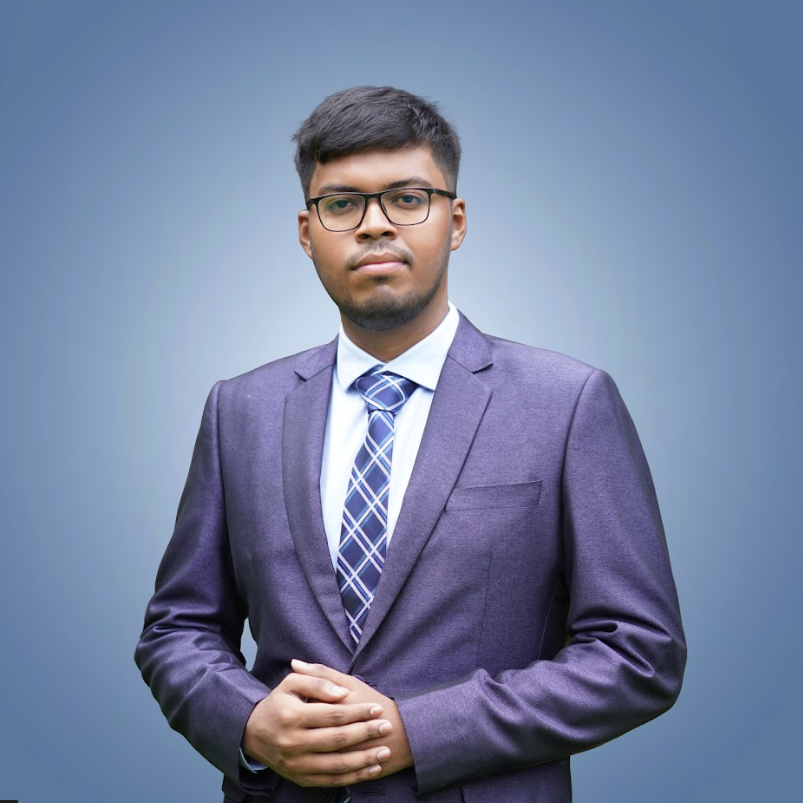
Research Fellows

Current ARI research fellows working with our supervisors on mentored projects.
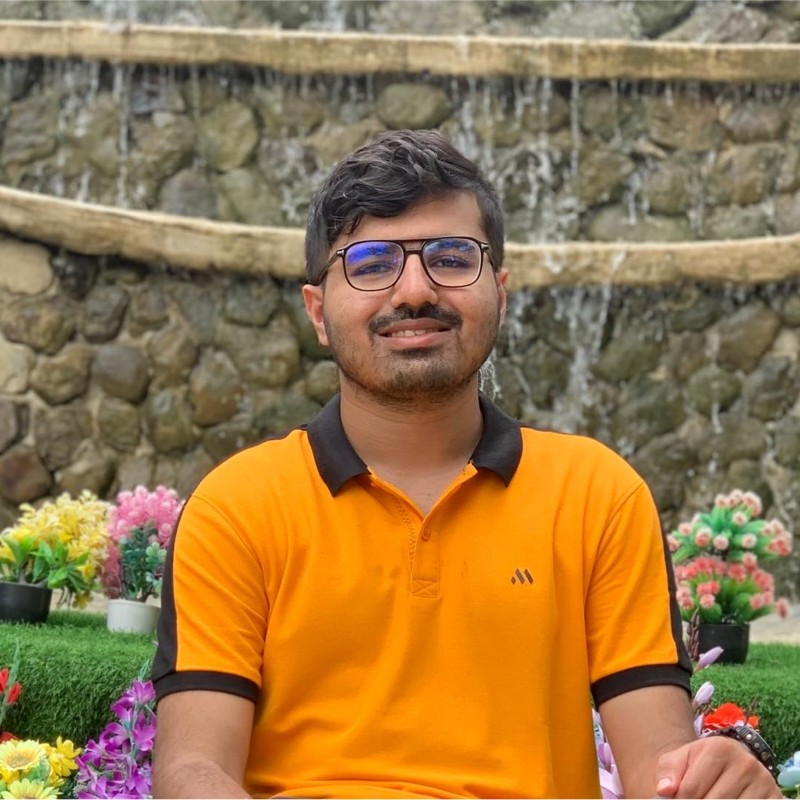
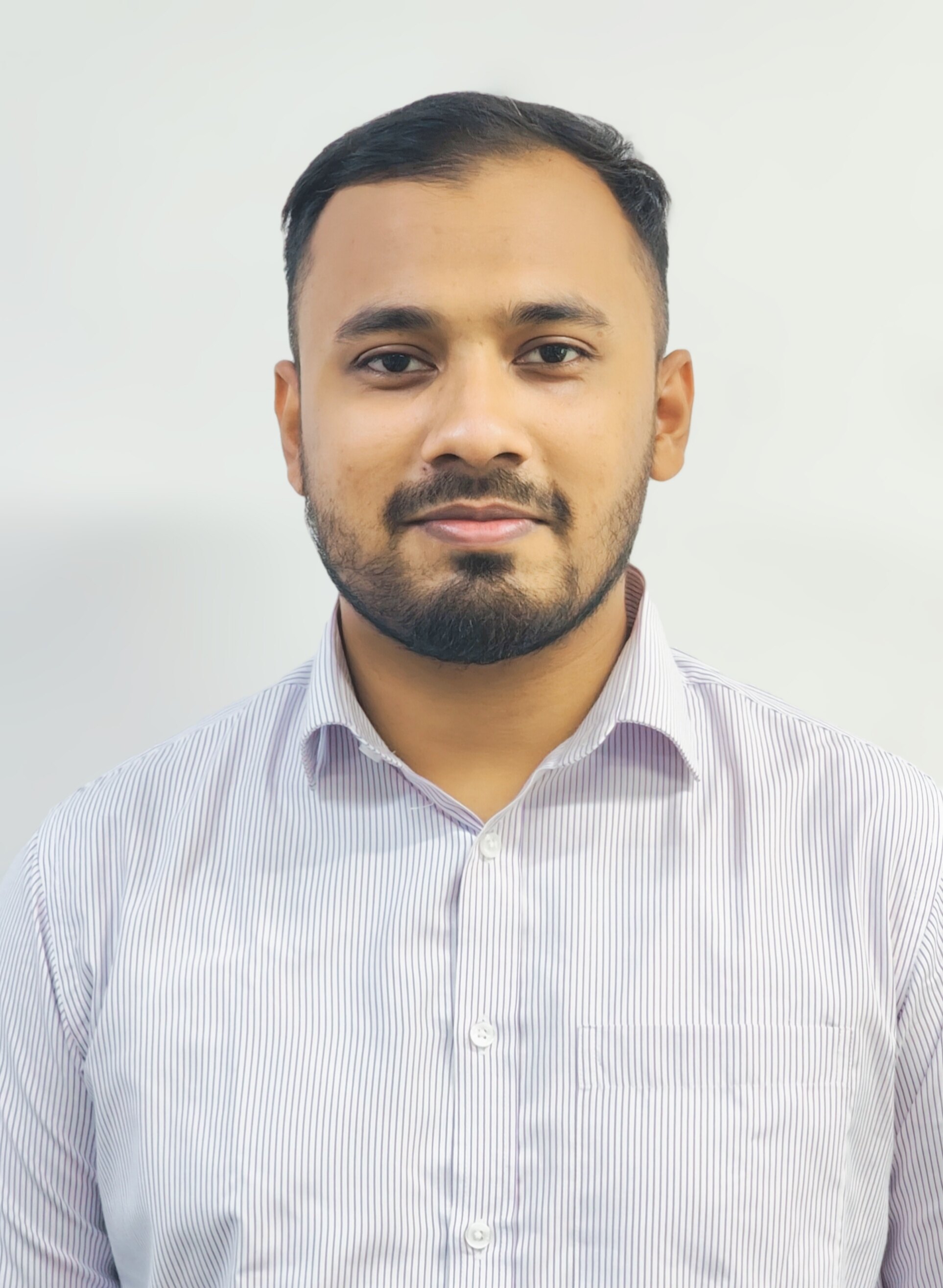
Abrar Eyasir
Research Fellow

Abrar Eyasir

University of Dhaka

Spring 2026

My long-term goal is to become a research-turned entrepreneur. I find machine learning, deep learning, and large language models really interesting to learn. That's why I want to do research. My interest lies in large language models and vision-language models. I have a keen interest in deep learning, natural language processing (NLP), computer vision, and multimodality. I also find AI safety research interesting. I want to work under Md Fahim. Because he is my university senior and I talked with him a couple of times(online) about research. I also read two of his research papers named "Evaluating Large Vision Language Models on Bangla Medical VQA" and "BANHADEX: Towards Explainable Hate Speech Detection in Bangla using Human Annotated Explanation", which helped me a lot in learning the necessary stuff about how to train open-source models like Qwen 2.5-7B, Mistral-7B, Llama-3.1-8B, etc. I want to publish my papers on ACL, EMNLP, and CVPR.

I would like to explore large language m…natural language processing (NLP)computer vision
View Profile
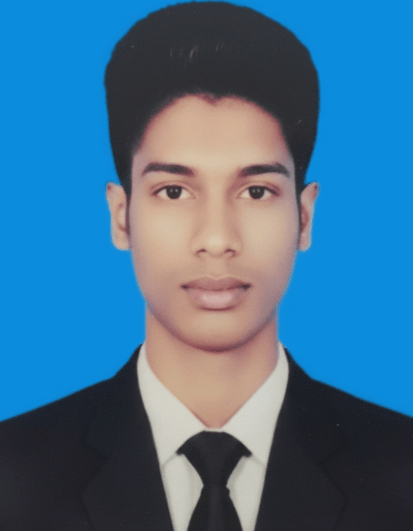
Sadab Shiper
Research Fellow

Sadab Shiper

IUT

October 2025 (Graduation)

My goal is to pursue a PhD and doing research will help me build the experience and expertise needed to achieve that. I have worked on Vision Language Model domains particularly.

Vision Language ModelNatural Language Processing
View Profile
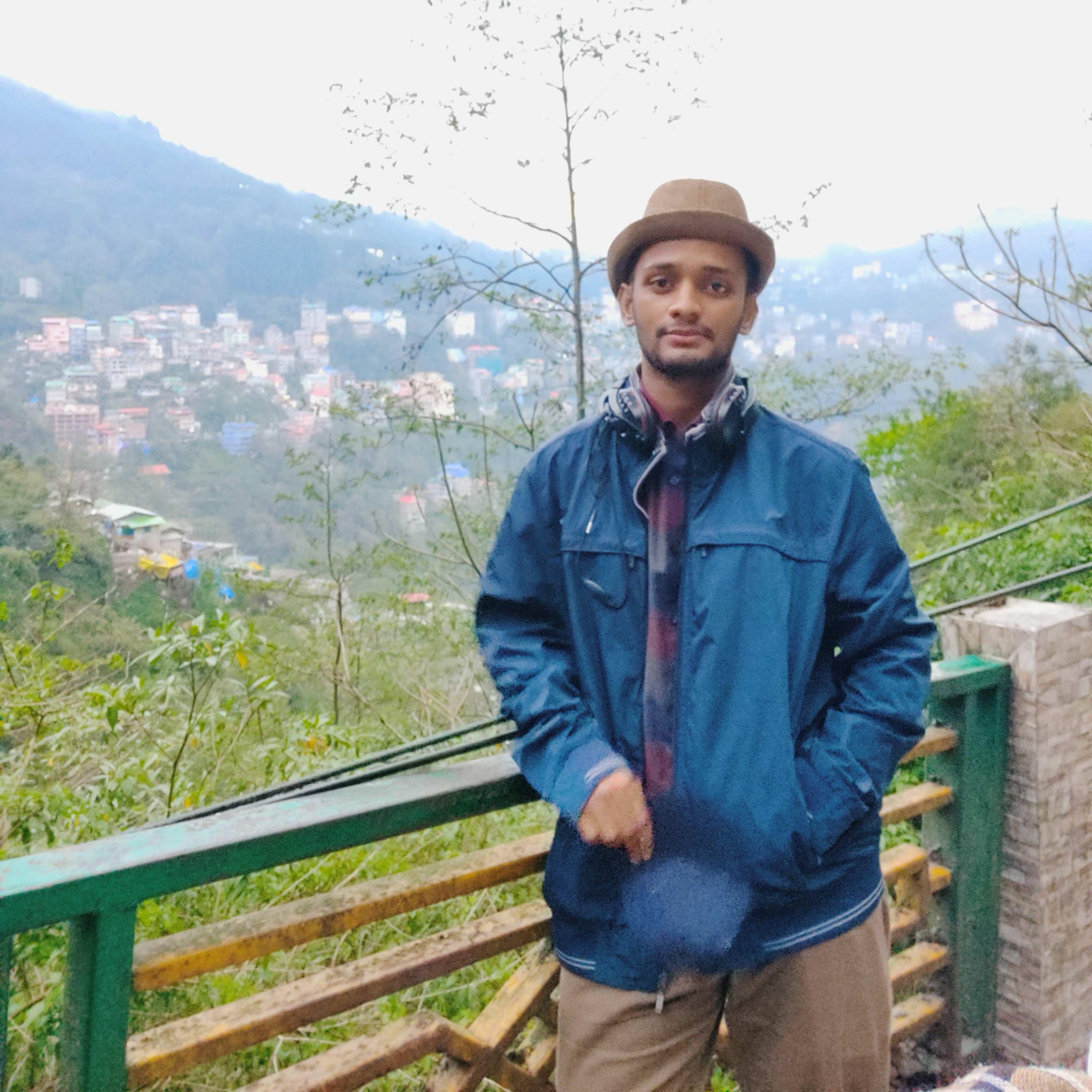
Sha Newaz Mahmud
Research Fellow

Sha Newaz Mahmud

CUET

2026

My research interest began through participating in datathon competitions, where I became interested in solving low-resource challenges for the Bangla language. I aim to contribute by developing datasets, benchmarks, and practical NLP resources. My primary interests are Bangla NLP, including speech recognition, sentiment analysis, and multimodal understanding. I have published research on Bengali sentiment analysis and argument mining, and I plan to further explore model explainability, evaluation, multimodal learning, and LLM benchmarking for Bangla.

Large language modelsMultimodal deep learningBangla NLP tasks
View Profile
Tasnim Kibria
Research Fellow

Tasnim Kibria

BUET

6th semester

I am currently a 4th year Mechanical Engineering student at Bangladesh University of Engineering and Technology (BUET). My motivation for collaborating in research is driven by long term goal of building a career in academia. I am motivated to participate in research that combines system modelling, numerical simulation, machine learning and system optimization. Through research, I hope to develop analytical and technical skills to address complex problems and contribute to meaningful scientific advancements in future. My primary field of interests are computational fluid dynamics (CFD), thermo-fluid system optimization, numerical modelling and machine learning. Optimization of thermo-hydraulic performance of heat exchanger, aerodynamic analysis of morphing quadcopter, solar PV cooling via PCM and fins are some of my ongoing works. My work on the effects of nanofluid in heat exchanger is accepted in ASHRAE Annual Conference 2026. As engineering systems become increasingly complex, I believe that computational approaches and data driven techniques will play a vital role in optimizing and predicting system behavior. My target is to develop expertise in system simulations and contribute to research involving thermo-fluid systems and CFD. I chose Abid Hossain as my supervisor as his research topics align with my interests. His research title on magnetohydrodynamics (MHD), magnetorheological fluid dynamics particularly interested me as I am keen to engage in and learn advanced simulations techniques. I believe working under his supervision would provide an excellent opportunity to learn advanced research methodologies, numerical simulations techniques and scientific writings. Moreover, I am eager to contribute ongoing research projects while gaining exposure to advance numerical modelling. Regarding publication goals, I want to conduct research that meets the standards of internationally recognized conferences and journals (Q1). Some of the journals I am interest

Thermo-fluid SystemCFDAdditive Manufacturing
View Profile
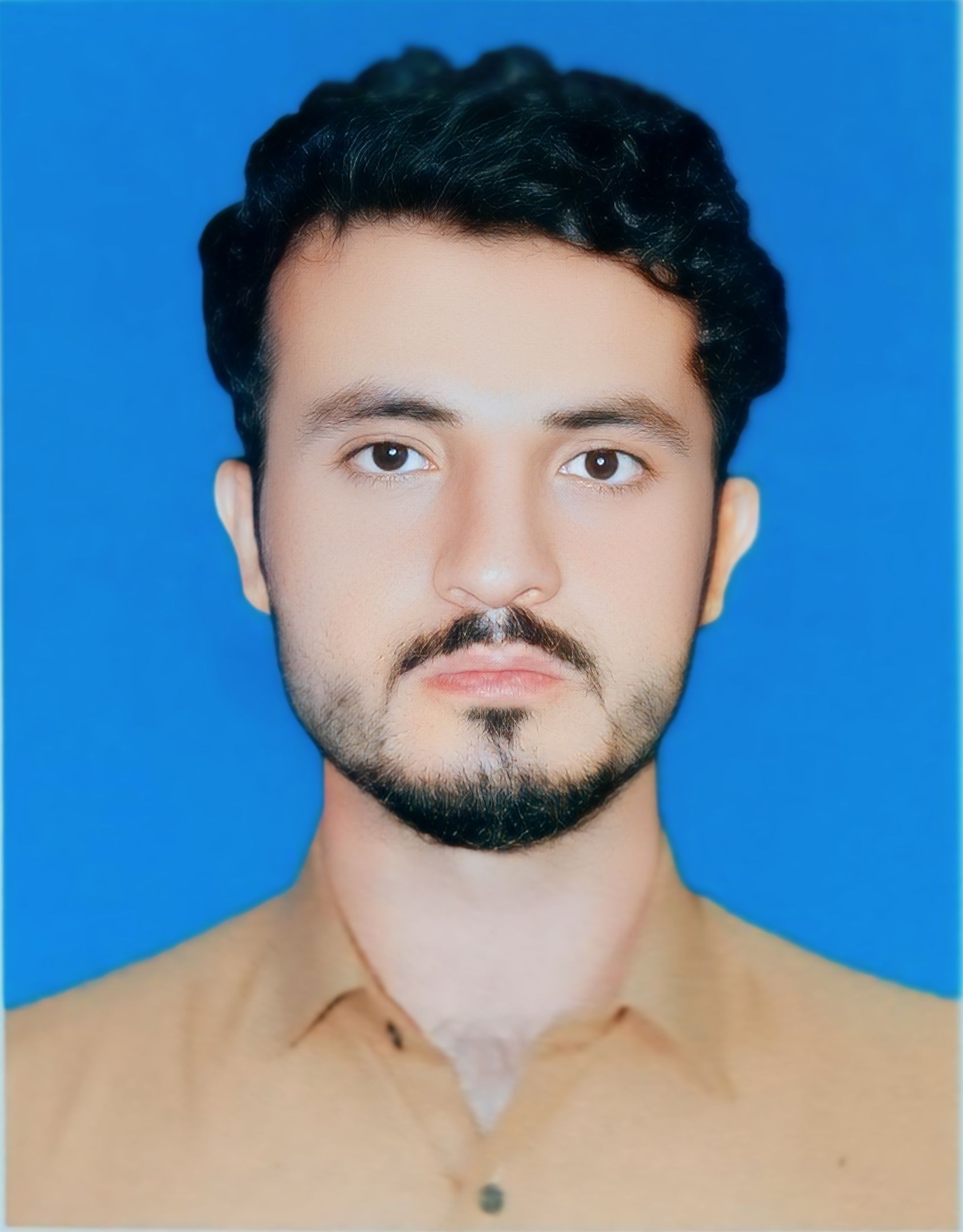
Tila Muhammad
Research Fellow

Tila Muhammad

FAST-NUCES Islamabad

1 Semester / 2026

I am currently pursuing an MS in Artificial Intelligence at FAST National University of Computer and Emerging Sciences (FAST-NUCES), Islamabad, Pakistan. During my bachelor's studies in Software Engineering, I developed a strong interest in research through projects on fake news detection and hate speech detection, which motivated me to pursue graduate studies and an academic research career. Throughout my master's studies, I have reproduced and analyzed state-of-the-art transformer-based models for abstractive summarization and multimodal emotion recognition. My work includes evaluating T5-Large, BART-Large-CNN, and PEGASUS using standard evaluation metrics, as well as investigating cross-domain generalization and domain adaptation techniques. These experiences have strengthened my interest in developing robust and effective AI models. In the long term, I aspire to contribute to impactful research and pursue a career in academia.

Natural Language ProcessingMultimodalityAffective Computing
View Profile
Tirtha Debnath
Research Fellow

Tirtha Debnath

Jashore University of Science and Technology

Recent Graduate

Research, for me, did not begin with a grand intellectual ambition. It started with a practical question that an engineering solution could not fully answer. While building HybridFracNet-FL for my undergraduate thesis, a federated learning framework for bone fracture classification combining EfficientNetB3, DeiT-Tiny cross-attention fusion, and formal differential privacy, I kept running into the same pattern: the cross-attention fusion consistently improved generalization across federated nodes, but the theoretical reason was not obvious from the model's outputs alone. Understanding why something works, not just that it works, became the question I could not set aside. That shift in orientation is what brought me toward research, and it shapes the kind of work I want to do through this fellowship. My specific research interest is parameter-efficient adaptation of vision-language models for medical imaging, with a focus on few-shot generalization under distribution shift. Clinical imaging is a domain where labeled data is inherently scarce and where the gap between hospital sites can be large enough to make naively fine-tuned models unreliable. I am particularly interested in how lightweight adapter architectures can preserve the general representations learned during large-scale pretraining while still acquiring enough task-specific knowledge to perform well in these constrained settings. This question connects directly to my thesis work and to the broader challenge of building machine learning systems that are genuinely useful in real-world healthcare environments. I chose Md. Fahim as my supervisor because R-MMA addresses a version of this problem with unusual precision. Most adapter methods either sacrifice parameter efficiency for expressiveness or preserve pretraining quality at the cost of task-specific adaptation. R-MMA navigates this tension through a recurrent weight-sharing design where the latent token attends to the current layer's frozen features befor

1. arameter-efficient adaptation of visi…specifically investigating how recurrent…with a particular interest in extending …
View Profile